Why you should Compare Business Energy Prices?
To uncover the best deals, reduce costs, and ensure reliable service ultimately helping your business make the best choice. Here are the key reasons why:
Lower Operating Costs
By securing competitive energy costs, businesses can significantly reduce their energy costs, allowing them to invest in essential areas like marketing, staff development, or expansion.
Customised Energy Plans
All businesses have different energy needs. Whether a small start-up or an enormous corporation, one can compare providers to choose a plan that suits their requirements in terms of efficiency and cost-effectiveness.
Simpler Budget Management
Competitive or fixed energy rates allow your business to avoid sudden price spikes. The predictability further reduces energy costs, preventing sudden budget changes due to unexpected expenses.
Green Energy Choices
Renewable energy plans are available from many energy suppliers, allowing businesses to align with sustainability. With a green energy option, you also help your business reduce its carbon footprint towards a cleaner environment and ultimately demonstrate a commitment to eco-friendly business practices.
Understanding Pricing
Reviewing tariffs can help you identify hidden costs in auto-renewed contracts. Combining these benefits allows you to pay only for services used, thus avoiding unnecessary expenses.
Flexible Contracts
Changing the supplier offers clients complete flexibility to select a contractual term that grows with the enterprise. This means that an adjustment in energy requirements can be resolved as the business develops, providing more control over energy decisions.
Source a Reliable Provider
Researching energy providers also lets one avoid unreliable companies and choose a service known for excellent customer service and reliability.
Competitive Edge
Lower energy prices allow reinvestment in the business for growth and innovation. Using eco-friendly energy sources also improves the brand and gives the company a competitive edge..
How Does Our Business Energy Price Comparison Work?
Business energy comparison is the simplest thing that will allow you to make smarter energy decisions. Here is a simple stepwise guide to how we work:
01
Quick Data Collection
First, provide your energy details quickly and safeguard them through our submission portal. Our system also pulls data from past bills to analyse your energy consumption and learn more about your business’s energy profile. This step saves time on manual computations and makes the overall work easy and trouble-free.
02
Intelligent Supplier Matching
Once you provide analysis data, our system studies your business’s usage pattern and connects it to the right energy-selling companies. Your industry type, contract type, and budget determine our options recommendation. This ensures you receive the best options that meet your needs and requirements.
03
Fast Contract Generation
After the suppliers are matched, one channel offers you competitive tariff plans to select easily. Clients can fill that order in minutes through a software interface, saving time on writing contracts and processing them to choose a new energy provider without slow paperwork.
Transparency Throughout the Process
Reliable comparison services like ours will leave no room for ambiguity in Pricing. You know what you are paying for, and no hidden fees or extra charges exist. No room could be left for surprises.
Key Metrics to Consider
- Cost Variability: A fixed cost means one's payment will not vary, while a variable cost will change depending on market trends.
- Contract Period: Pay attention to the contract period since more extended contracts provide stability or discount rates.
- Options for Renewable Energy: Many suppliers now offer green energy plans, from which customers can select sustainable possibilities that align with their green lifestyle.
Why Businesses Struggle Without Price Comparisons
Not comparing energy prices for business commonly results in several hurdles that can hamper financial or strategic loss for your business. Here are some of the most significant:
Paying Higher Rates Due to Auto-Renewals
When most companies renew contracts for energy supply, they unknowingly get themselves into paying high rates. Failing to compare rates could end up locking into a pricey plan, which could have been otherwise avoided.
Lack of Awareness of Better Market Options
You may not know better energy rates in the market unless you compare them. New suppliers may introduce more competitive rates, improved customer service, or other benefits that can save your company a fortune in the long term.
Missing Supplier Discounts or Government Benefits
Energy suppliers offer businesses exclusives, such as discounts or government-funded programs. Unfortunately, if one is not informed, they may miss these facilities, which can be very helpful regarding one's energy bills.
Inflexible Contract Terms
Some contracts have rigorous terms that make it harder to adapt within your business. This will lock you into an inefficient and costly plan that does not meet your changing energy requirements.
No Access to Renewable Energy Plans
Most firms are now making efforts to be more sustainable. If you compare, you will miss the opportunity to switch to renewable energy plans that will reduce carbon emissions and improve your brand image.
Overlooking Hidden Fees in Existing Contracts
All existing contracts hide extra fees, such as early exit charges or service fees. Undoubtedly, these costs sneak in without such comparison and pose an unexpected financial threat to many businesses.
Reduced Financial Efficiency
Your organisation may be paying excess charges simply because it did not compare energy prices. It reduces financial efficiency and makes less money available for other growth opportunities, putting one in a less-than-ideal position in an already competitive market.
What to Look for When Comparing Business Energy Prices?
When comparing business rates, various factors must be considered to ensure the best plan is set according to needs. Some of these factors are:
01
Understanding Energy Needs
Energy consumption in the business is understood. Accurate usage data makes it easy to compare suppliers' offers to find the most suitable plan. It also helps reduce overpaying or estimating needs that are too low.
02
Supplier Reputation and Customer Service
Check the supplier’s customer service reputation and reviews to see how well they do and how they help their clients. Good customer service can save you time and effort if there are any problems. Seek out vendors with dependable service and good records.
03
Contract Terms and Early Exit Fees
Read the contract terms carefully. Some contracts have a longer commitment, while others give exit flexibility. Caution to early exit fees may bring a hefty price if the change is made before the contract ends.
04
Scalability for Future Growth
Your business will grow at different times, which might change its energy needs. A flexible and scalable supplier and plan will be the best choice because you can remodel your energy requirements and facilities without incurring penalty charges or entering into wrong contracts.
05
Clear Pricing and Hidden Fees
Always check the fine print. Price transparency prevents sudden surprises in charges. Hidden fees, such as administration or maintenance, soon add up, so you should know precisely what you are paying for.
06
Billing and Payment Options
Check the available billing and payment methods. Some suppliers offer flexible payment plans, online account management, or budget-friendly payment schedules to help you manage energy expenses efficiently.
Energy Saving Tips for Your Business
Your business can save energy costs by using energy more efficiently than selecting low energy rates. Effective energy conservation strategies can reduce business expenses and advance eco-friendly goals. Regularly test your energy systems to discover ways you use more power than needed. Replacing regular lighting with LED options and outfitting your building with innovative heating systems and efficient appliances can yield solid financial benefits.
Time your business activities to benefit from lower energy rates outside busy times. Train your employees to turn off unused devices and equipment at work to help them conserve energy. High-usage businesses can lower operational costs and decrease their use of traditional power by choosing solar energy systems and battery storage equipment.
Our simple comparison tool and these valuable recommendations can reduce expenses while making your business more sustainable. We will teach you energy management strategies to decrease your bills and prepare your business for better efficiency in the future.
Understanding Energy Tariffs for Businesses
When it comes to the energy price of doing business in the UK, choosing the most appropriate energy tariff for your business is essential. Whether you're a business owner or an energy manager, it can be a critical decision that helps manage costs and plan accurately. Different types of tariffs are available on the UK energy market. Below is a quick snapshot of the various types of business energy tariffs you are likely to find in the UK:
Fixed Tariffs
With a fixed energy tariff, unit prices are fixed for a specific period, often 12, 24, or 36 months. This ensures stable prices, allowing businesses to plan their budgets without dealing with drastic price increases caused by volatile markets. Yet, companies with fixed tariffs will be unaffected by lower rates if wholesale energy prices decrease. If a company chooses to change suppliers before the end of the contract, there may be an early termination fee.
Variable Tariffs
Variable tariffs are those generated with the prevailing energy prices per market determination. Most businesses will find that with these, they lower their operating costs as energy prices go down; however, in an aspect where the prices of the market increase, the bills also increase. Such bills are more difficult to predict; thus, planning with them becomes ever more complicated than it seems from the month's bill or less. It is for businesses that want to benefit from lower prices and can bear some price uncertainty.
Green Tariffs
Green energy plans to supply power from renewable resources like wind, sunlight, or hydro. Several suppliers in the UK offer green tariffs to help businesses with net zero ambitions reduce their carbon footprint. Although at times a bit more expensive than regular plans, these tariffs allow corporations to achieve sustainability targets, increase the value of their brands, and meet the UK net-zero targets..
Dual Fuel Tariffs
A dual fuel tariff combines your gas and electricity with one supplier, simplifying bills and accounts. This is also advantageous for small and medium businesses that intend to optimise their energy costs. While some suppliers in the UK offer a discount for contracting gas and electricity, it's worth comparing prices separately to ensure you're getting the most competitive quote.
Time-of-Use Tariffs
Economy 7 and 10 are time-of-use tariffs cheaper during low-demand periods. They are perfect for businesses that can move high-energy operations from peak power hours (such as manufacturing or data processing) to the night or weekends when electricity demand is lower. However, companies must evaluate their consumption patterns and understand if these tariffs lead to savings.
Prepaid vs. Postpaid Plans
In a prepaid plan, users pay for energy through a smart meter or top-up system before using it. Staying on a budget avoids surprises with high bills, and this method helps to do that, which is necessary for small businesses with tight cash flow. Rates are, however, typically higher than standard tariffs. On the other hand, in postpaid tariffs, businesses consume energy first and pay later, typically monthly via direct debit. It allows more autonomy but requires budget control to prevent large bills from being run.
Comparing Energy Prices for Small, Medium, and Large Businesses
When comparing business energy rates, the primary considerations are as follows: Every business type has a particular energy consumption requirement, and knowing these will help choose the plan that best suits the enterprise.
Small Businesses
The priorities are cost-effective and flexible contracts. Most small businesses consume fewer units of energy and may not have as much power to trade off as more prominent companies. The contracts should be flexible, featuring short terms or relatively low minimum usage requirements, thus allowing the business to save costs while maintaining the flexibility to adjust them as needed.
Medium Businesses
Medium-sized businesses usually consume a comparably high amount of energy, requiring a balance of cost and efficiency. A rate at this time could balance unpredictable price fluctuations.
It also includes encouraging energy efficiency programs, including demand-side management, which helps reduce energy use but not at the cost of performance. A solution that combines competitive rates and efficiency measures will help manage energy costs effectively.
Large Corporates
These large businesses will seek scalable plans and stable pricing for longer durations. Securing a fixed-rate plan over several years helps address large-scale energy needs and shields them from price hikes. Custom corporate-level agreements with special tariffs and bulk discounts may be available for large enterprises.
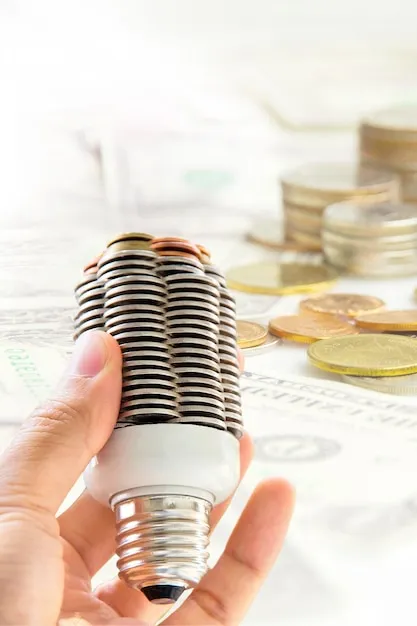
Compare April 2025 Business Energy Rates
Are you looking for a new business energy rate? The table shows the average electricity and gas unit prices on the one-year fixed-term contract for different-sized businesses starting in April 2025.
| Business Size | Electricity Unit Rate | Electricity Standing | Gas Unit Rate | Gas Standing Charge |
|---|---|---|---|---|
| Micro Business | 25.1p per kWh | 49.9p per day | 7.7p per kWh | 40.3p per day |
| Small Business | 25.7p per kWh | 48.1p per day | 7.1p per kWh | 43.3p per day |
| Medium Business | 25.1p per kWh | 73.9p per day | 7.2p per kWh | 54.4p per day |
| Large Business | 24.5p per kWh | 75.4p per day | 8.5p per kWh | 89.9p per day |
Emerging Trends in Business Energy Efficiency
Today, businesses have received high attention worldwide for saving energy, cutting costs, and being environmentally friendly. There are some new, more effective ways they are boosting energy efficiency.
AI-Powered Energy Management
Artificial intelligence (AI) is changing how companies control their energy use. AI tools can monitor a business’s energy usage, predict future needs, and change systems like lighting, heating, and cooling to avoid waste. This enables companies to lower their electricity bills and operate more efficiently.
Smart Grids & Advanced Meters
Smart grids help businesses connect with energy providers in real-time, making it easier to manage power use. Advanced energy meters supply detailed reports showing how much electricity the company uses. Businesses can use this data to use energy more wisely and reduce waste.
Energy Storage Systems
Many businesses use energy storage systems like high-tech batteries to store extra electricity. This can be useful for companies using renewable energy, such as solar or wind. Businesses can save the energy they create instead of wasting it now and using it later during peak hours or power outages.
Equipment Upgrades & Electrification
Modern machines and electric-powered equipment consume less energy and perform better than traditional machines. Replacing old systems with energy-efficient systems will lower energy consumption, reduce overall maintenance costs, and boost overall productivity in a business.
Average Business Gas and Electricity Prices April 2025
| Energy Type | Average Price | Sector | Region |
|---|---|---|---|
| Electricity | 24.9 pence per kWh (Unit Rate) 84.1 pence per day (Standing Charge) | Commercial, Industrial | Varies by region |
| Gas (Industrial) | 7.5 pence per kWh (Unit Rate) 48 pence per day (Standing Charge) | Industrial Captive Power | National Average |
Like most prices, energy rates vary across countries, states, and business sectors. The cost of power relevant to a commercial or industrial customer will greatly differ, with urban areas usually more expensive due to an airy demand that makes an infrastructure of economics. Moreover, gas pricing depends on market factors and government policy changes in energy-intensive sectors like manufacturing and textiles. All this goes into comparing business energy tariffs while addressing the company's specific business needs.
Average gas prices increased by approximately 9 per cent (five months into 2024). This rise may be linked to the government's plans to cut energy consumption and adhere to the IMF's energy consensus. These shifts have widely impacted energy-intensive sectors that depend on gas as a primary energy source.
Furthermore, the demand for commercial power also differs by industry. The new dynamics of energy pricing are leading to fluctuating tariffs for different companies, and sectors that consume high amounts of energy, such as manufacturing, end up paying a high power price compared to less energy-intensive sectors. They can compare business energy tariffs to maintain operational efficiency and understand the implications of region and industry on those tariffs.
How Businesses Can Future-Proof Their Energy Strategy
Businesses face the challenge of securing an affordable, steady, and sustainable energy future as the cost of energy and regulations change. The following strategies companies can apply to avoid such risks and energy uses in the long term:
01
Locking in Long-Term Energy Contracts Wisely
Flexible, long-term energy agreements can protect businesses from unexpected price increases. Instead of picking the lowest-cost suppliers, firms should forecast market changes and examine supply contracts that are fixed-rate or hybrid, whereby prices are stable but adjusted.
02
Diversifying Energy Sources
Supply chain disruptions are always a risk, but if a business is less dependent on a single energy source, the price rise won’t affect it too much. Businesses can stay resilient by combining traditional energy sources with solar, wind, and battery storage. This ensures a backup energy supply and reduces reliance on fossil fuels.
03
Implementing Smart Energy Management Systems
Automated energy tracking software allows businesses to invest in this to monitor energy consumed in real-time. These tools highlight usage patterns and waste areas where energy can be saved. Moreover, businesses can increase efficiency in smart meters, AI-driven systems, and IoT-connected devices.
04
Getting Ready for Regulatory and Policy Change
Energy laws and carbon emissions policies change continuously. Businesses value government incentives, carbon tax regulations, and renewable energy credits, so they should stay informed. Companies can plan for these changes beforehand to avoid penalties and financial benefits.
05
Investing in On-Site Energy Generation
Many businesses are adopting ideas like solar panels, wind turbines, and combined heat and power (CHP) systems to lessen their dependence on the grid. Greater energy independence, lower long-term electricity costs, and monitoring sustainability goals can be provided by on-site generation.